

When to Downsize Your Helix Piercing: Timing and Tips
Key Takeaways
- Timing for reducing helix jewelry and grasping helix piercings.
- Indicators that suggest it’s time to reduce helix jewelry.
- Moments to consider reducing vertical helix jewelry.
- Advantages of reducing helix piercing accessories.
- Selecting the appropriate size post downsizing.
When To Downsize Helix Piercing | Understanding Helix Piercings
Understanding the basics of helix piercings is essential for anyone considering body piercings. Recognizing when to downsize a helix piercing helps maintain comfort and aesthetic appeal as the healing process progresses. Helix piercings, along with related types like conch piercings, may require adjustments to jewelry size to accommodate changes in swelling and the overall fit. Observing signs during healing can indicate the right moment for downsizing, ensuring that the jewelry not only looks great but also feels comfortable against the ear. Being aware of these factors contributes to a more enjoyable experience with your piercings.
When to downsize helix piercing | Definition of a Helix Piercing
A helix piercing refers to a type of cartilage piercing located along the outer rim of the ear. This area is versatile for various styles, offering options for multiple piercings such as rook and tragus piercings. Each helix is unique and can be adorned with different types of jewelry, enhancing personal expression. Understanding when to downsize a helix piercing involves recognizing the changes that occur as the piercing heals and the jewelry adapts to the ear’s anatomy.
Sizing is crucial, especially with helix piercings due to their placement in the cartilage. As the healing process progresses, swelling may subside, making it necessary to evaluate the fit of the jewelry. Knowing when to downsize helix piercing jewelry can prevent discomfort and irritation, ensuring that the adornments are suitable for everyday wear. Proper fitting contributes directly to the overall aesthetic of ear piercings, keeping each look polished and comfortable.
- Monitor for swelling and irritation as the piercing heals.
- Assess the fit of the jewelry after the initial healing period (usually a few months).
- Consider the material of the jewelry; opt for hypoallergenic options if experiencing discomfort.
- Aim for jewelry that allows for movement without pinching or pulling on the skin.
- Consult with a professional piercer for advice on when to downsize and what size to choose.
- Keep in mind personal style preferences as well as comfort when choosing new jewelry.
- Regularly clean the area to prevent infections or complications that could affect sizing.
Types of Helix Piercings
Helix piercings come in various styles, each offering a unique look and feel. These piercings are typically located on the outer ear cartilage, and include options like the forward helix, triple helix, and upper helix piercings. Choosing the right type can influence both your comfort and how your jewelry complements other accessories, such as earrings, bracelets, or rings.
Different jewelry styles can further enhance the appeal of helix piercings. Helix piercings can be adorned with hoops, studs, or intricate designs that can pair beautifully with necklaces or other body jewelry. Knowing when to downsize helix piercing jewelry is crucial for maintaining comfort, allowing you to enjoy your chosen accessories without any discomfort or irritation.
Signs It’s Time to Downsize Helix Piercing
Recognizing the signs that indicate when to downsize helix piercings is essential for optimal healing and comfort. If your jewelry is made from titanium, it’s important to monitor how the helix piercings sit; discomfort or irritation can signal that it may be time to make adjustments. For those with outer helix piercings or vertical helix piercings, observing any changes in fit is crucial, as these piercings may experience different healing processes. Swelling or excessive movement of the jewelry can also be indicators, guiding you in making the best decision regarding when to downsize helix piercing jewelry.
Healing Process and Time Frames
Understanding the healing process is crucial for determining when to downsize a helix piercing. Traditional helix piercings typically take about 3 to 6 months to heal completely, while vertical helix piercings may require a bit longer due to their unique positioning and angle. During this healing period, it’s important to monitor the piercing site for signs of healing, such as reduced swelling and tenderness. New piercings can be particularly sensitive, so patience is key when assessing whether it’s the right time to make any changes to your jewelry.
Timeframes can vary depending on individual factors like aftercare and the body’s natural healing rate. For connected piercings, such as multiple helix piercings in close proximity, ensure that all sites are well-healed before considering downsizing. Swapping out your jewelry too early can lead to complications, including irritation or infection. Keeping an eye on how your body responds will guide you effectively in understanding when to downsize helix piercing jewelry safely.
Changes in Jewelry Fit
A significant factor to consider is your piercing’s fit over time. As your helix piercing heals, it can change from a tighter fit to a more comfortable position. This transition may prompt you to assess when to downsize helix piercing jewelry. For new piercings, particularly snug or flat piercings, the initial swelling can alter how your jewelry feels. After the healing period, if the jewelry feels loose or shifts excessively, it could be the right time to consider a smaller gauge.
Observing how your jewelry sits is crucial. Common piercings can display different behaviors as they mature. If your fresh piercings are not sitting securely or seem to dangle, the fit may have changed significantly. Signs like these indicate when to downsize helix piercing jewelry for a better overall experience. Ensuring the right fit not only enhances comfort but also reduces the risk of irritation or injury.
When to Downsize Vertical Helix Piercing
Understanding the specific considerations for vertical helix piercings is essential for helix wearers. Knowing when to downsize helix piercing jewelry can help avoid complications such as piercing bumps or irritation. Vertical helix piercings, often found alongside industrial piercings, can experience changes in fit, particularly when snug piercings sit closer to the ear. As the mid helix area heals, it’s crucial to monitor for signs that indicate a healed piercing may be ready for a size adjustment. Adjusting jewelry promptly can promote both comfort and aesthetics, making it easier to enjoy the unique style that these piercings provide.
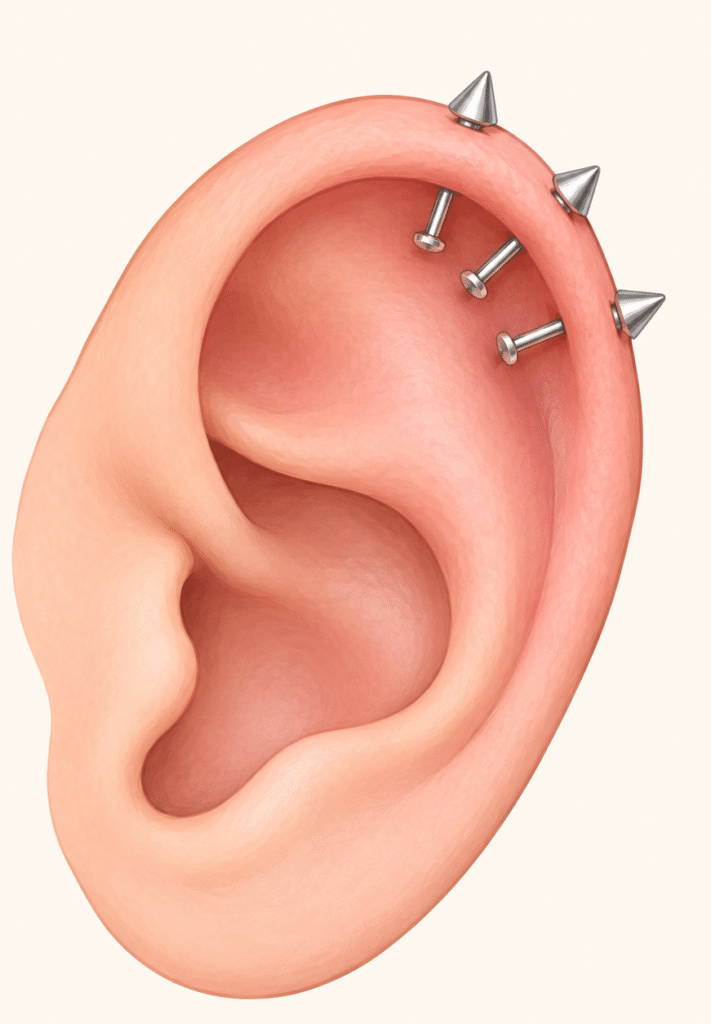
Specific Considerations for Vertical Helix Piercings
Vertical helix piercings require special attention due to their unique placement and orientation. Understanding when to downsize helix piercing jewelry is essential to prevent issues such as irritation or discomfort. Unlike traditional lobe piercings or nostril piercings, vertical helix piercings may experience more movement, prompting the need to browse helix jewelry for options that better fit the anatomy of this area. Ensuring the right size is crucial for both comfort and healing.
Choosing to change helix jewelry after an initial healing period can enhance the overall look and feel of your piercing. It’s important to take note of the fit and how it corresponds to your specific helix placements. A simple piercing visit can help provide insights on when to downsize helix piercing jewelry. By consulting with a professional, you can make informed decisions about sizing and ensure your vertical helix piercing remains both stylish and comfortable.
Signs of Discomfort or Irritation
Discomfort or irritation can indicate it’s time to downsize helix piercing jewelry. This is especially true if you experience persistent pain, redness, or swelling near your vertical helix. Using professional piercing material such as implant-grade jewelry can reduce these symptoms. If irritation continues despite using high-quality jewelry, consider a size change as part of your jewelry downsizing process.
Changes in jewelry fit can also lead to issues, particularly if your piercing has healed significantly. If you have anti-tragus piercings or other nearby piercings, improper sizing may cause friction or pressure. A snug fit is essential to maintain comfort and prevent complications. Awareness of how your body reacts to different jewelry sizes is crucial in determining when to downsize helix piercing jewelry effectively.
| Sign of Discomfort | Possible Cause | Recommended Action |
|---|---|---|
| Persistent Pain | Improper jewelry size or material | Consider downsizing jewelry |
| Redness and Swelling | Allergic reaction or irritation | Use implant-grade jewelry |
| Friction or Pressure | Snug fit with adjacent piercings | Adjust jewelry size |
| Frequent Infections | Compromised healing or poor hygiene | Consult a professional piercer |
| Discoloration | Reaction to metal type | Switch to hypoallergenic metals |
Benefits of Downsizing Helix Piercing Jewelry
Downsizing helix piercing jewelry can lead to enhanced comfort and improved aesthetic appeal. Knowing when to downsize helix piercing is crucial as long jewelry can cause discomfort and may cause the jewelry to tilt, affecting its appearance. Regular professional piercing check-ups will help you determine the right time for downsizing. Opting for implant-grade titanium jewelry not only ensures safe jewelry insertion but also reduces the risk of irritation. A knowledgeable piercer can guide you through the process, ensuring that your new size fits perfectly and promotes healing.
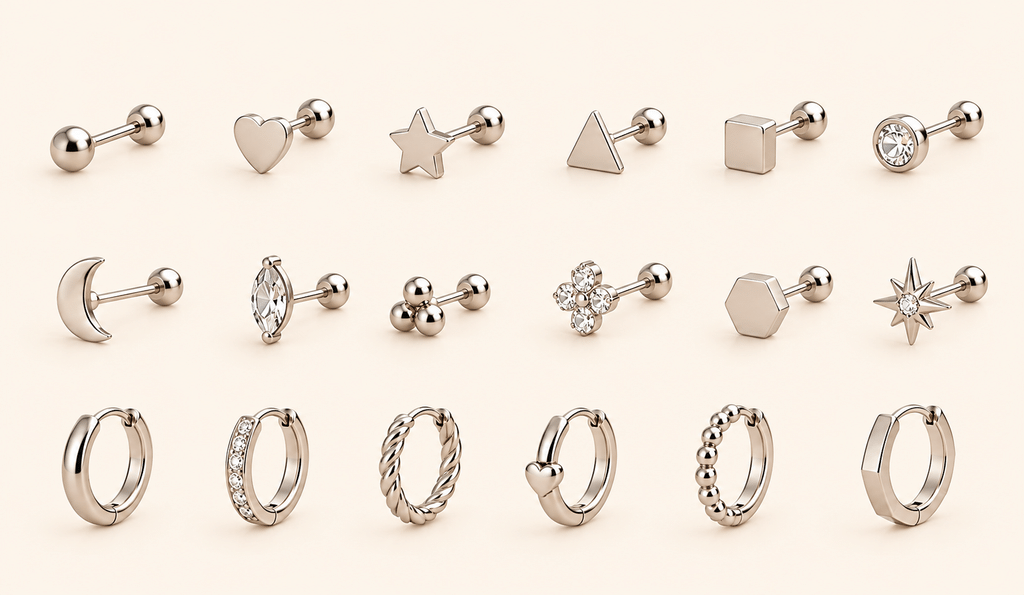
Enhanced Comfort
Downsizing your helix piercing can significantly improve comfort, especially if you notice that your current jewelry moves around too much. Incorrect jewelry sizing can lead to irritation as the jewelry passes over sensitive areas of the ear. Opting for a snugger fitting piece can prevent unnecessary friction, contributing to a more pleasant wearing experience. Finding the right size helps avoid the discomfort that often accompanies larger pieces, especially during the healing process.
Choosing a permanent bracelet or other new jewelry that fits correctly also plays a vital role in enhancing comfort. Your body undergoes changes over time, and what once felt comfortable might not suit you anymore. A smaller, well-fitted piece can sit securely without causing pressure or pinching. Recognizing the right time to downsize helix piercing will ensure that your accessory not only looks great but feels great too.
Improved Aesthetic Appeal
Aesthetic appeal plays a significant role in the decision of when to downsize helix piercing jewelry. Opting for a smaller size can create a more refined look that complements the natural form of the ear. Many people find that after an initial healing period, their jewelry feels bulky or out of place. Consulting a professional piercer can provide insight into the best options for a full jewelry change, ensuring that your new piece enhances your overall style.
The choice of materials also contributes greatly to the visual impact of your helix piercing. Jewelry made from implant-grade titanium not only offers a sleek appearance but also ensures safety and durability. Downsizing to a more streamlined piece can elevate the look of your piercing, making it less distracting and more elegant. Observing how your jewelry feels and looks on your ear will help determine the optimal time for a change, allowing every detail to shine.
- Consider transitioning to jewelry with intricate designs for added flair.
- Explore different finishes, such as matte or polished, to find the ideal look.
- Experiment with colors and gemstones to reflect your personal style.
- Think about the length and thickness of the jewelry for a better fit.
- Look into customizable options for a unique touch that suits you.
- Review current jewelry trends to inspire your next choice.
- Don’t hesitate to seek professional advice for the best aesthetic outcomes.
Choosing the Right Size After Downsizing
Finding the right size after downsizing a helix piercing is crucial for comfort and overall appearance. It’s essential to assess when to downsize helix piercing, as this decision often correlates with the healing process and how the initial jewelry fits. Consider the jewelry material, as different materials can affect how snugly the jewelry sits in the piercing. When you notice that the initial jewelry starts to feel loose or causes excessive movement, it may be time to opt for fitted jewelry that provides stability. Consulting with a piercer present during this process can ensure you choose the appropriate size to enhance both comfort and aesthetic appeal.
| Jewelry Material | Recommended Size | Comfort Level |
|---|---|---|
| Stainless Steel | 16g / 1.2mm | High |
| Titanium | 16g / 1.2mm | Very High |
| Gold | 18g / 1.0mm | Medium |
| Bioplast | 16g / 1.2mm | High |
Measuring Your Current Jewelry
Knowing when to downsize helix piercing jewelry requires careful measurement. Begin by assessing the size of your current hoop or stud. Consider the dimensions of your starter jewelry as a baseline. If the piercing has significantly healed and the original jewelry seems oversized, it may suggest a typical downsizing time. Use a caliper or a measuring tape for precise measurements to ensure the new piece fits comfortably.
Taking accurate measurements helps determine the appropriate size for your new jewelry. Consider factors such as the gauge and diameter of the hoop or stud you plan to choose. Downsizing not only improves comfort but also enhances the overall appearance of your piercing. This is especially important if you’ve experienced any changes in jewelry fit during the healing process.
Conclusion
Understanding when to downsize a helix piercing is essential for maintaining comfort and promoting healing. Cartilage piercings, such as helix and rook piercings, often require special attention regarding jewelry size and fit. As the healing process progresses, signs like discomfort or irritation may indicate that it’s time to consider a smaller size. Choosing the right jewelry not only enhances the overall aesthetic appeal of ear piercings but also ensures a more comfortable experience. Properly assessing the fit of tragus piercings and other cartilage piercings will help you make informed decisions about your body jewelry choices.