
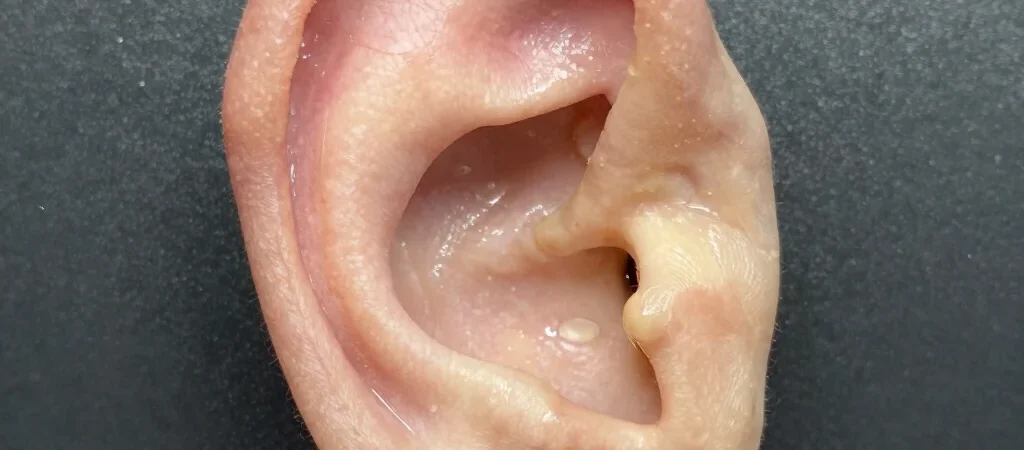
Anticipating the physical sensation of a cartilage needle is often the biggest hurdle for prospective piercing clients. Stripping away sensationalized internet myths reveals that pain is simply a brief anatomical response dictated by tissue thickness, nerve distribution, and professional needle technique.
Needle Sensation Versus Aftercare Pressure
The actual puncture of a helix or conch piercing lasts less than two seconds, manifesting as a sharp, localized pinch followed by a warm, dull ache. Because cartilage lacks the dense soft-tissue nerve endings found in lower earlobes, the immediate needle pain is far more manageable than most clients anticipate.
The real discomfort occurs during the first few weeks of recovery, when unintended bump pressure against pillows or clothing can trigger lingering dull soreness across the entire ear shell.
Structural Differences: Helix Rim versus Conch Cup
The helix piercing passes through thin outer rim cartilage, making the initial puncture quick with minimal resistance. However, because the outer rim stands exposed, it is significantly more vulnerable to accidental snags from sweaters, face masks, and long hair.
Conversely, the conch traverses a thicker cartilage plate inside the central bowl of the ear. The puncture requires steady, firmer needle pressure, but the resulting piercing sits recessed within the ear structure, protected from daily external friction.
Mitigating Discomfort and Preventing Irritation Bumps
Managing pain and inflammation comes down to strict behavioral discipline. Utilizing donut-shaped travel pillows eliminates direct ear contact while sleeping, while twice-daily sterile saline flushes keep the entry site free of dried cellular residue.